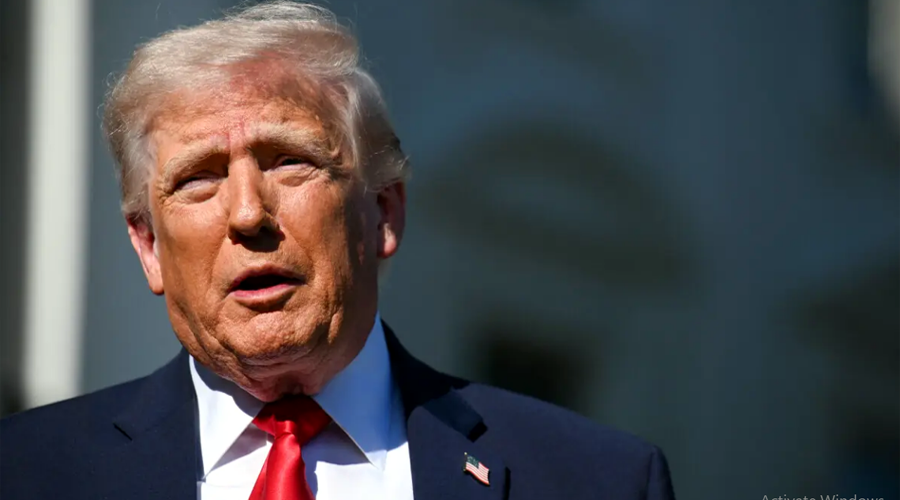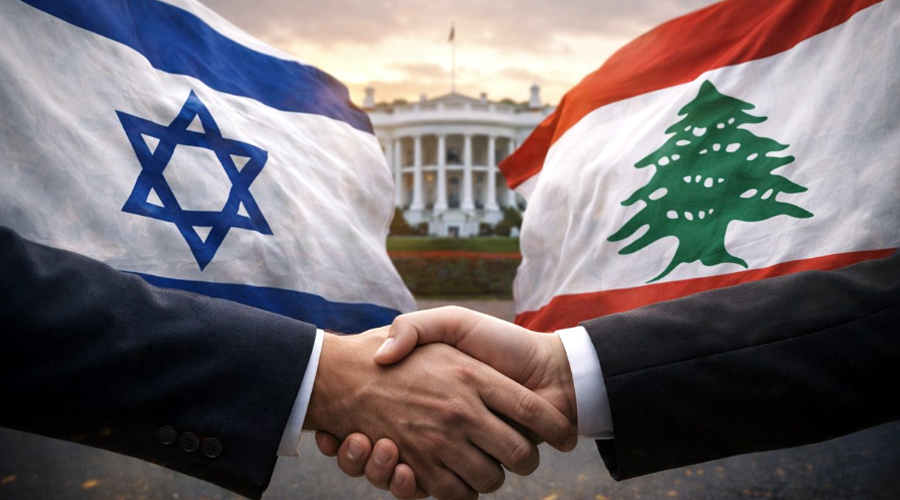
In a potential shift for Middle Eastern diplomacy, U.S. President Donald Trump announced that the leaders of Israel and Lebanon are scheduled to hold their first direct conversation in over thirty years. The announcement, shared via the President’s Truth Social platform, suggests a Thursday call between Israeli Prime Minister Benjamin Netanyahu and Lebanese President Joseph Aoun, a move that would mark a significant departure from decades of official silence between the two warring nations.
The Role of Mediation
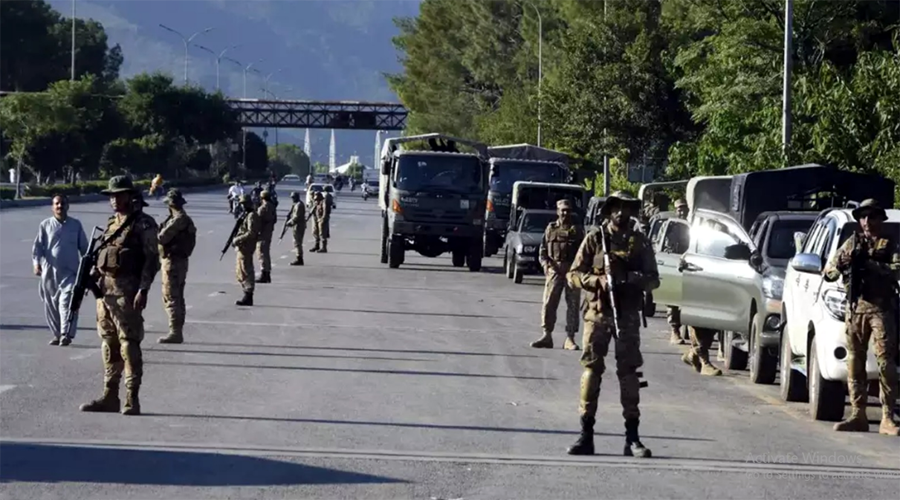
While Washington pushes for a diplomatic opening, Pakistan is playing a pivotal role as a mediator between the U.S. and Iran. Pakistani Foreign Ministry spokesperson Tahir Andrabi emphasized that establishing peace in Lebanon is a prerequisite for the success of broader negotiations regarding the ongoing conflict with Iran. This sentiment aligns with Tehran’s position that any regional peace deal must include a resolution for Lebanon.
Conflicting Reports and Domestic Tension
The announcement has met with a mix of optimism and skepticism. While Israeli cabinet officials, including Gila Gamliel, have signaled that the talks are set to happen, senior Lebanese officials have noted they have no official confirmation of such a call.
The prospect of direct communication is complicated by Lebanon’s internal politics. President Aoun, who took office last year, has maintained that a ceasefire and the withdrawal of Israeli forces are the essential first steps before formal negotiations can begin. Meanwhile, Hezbollah remains staunchly opposed to any direct contact with Israel, further deepening the political rift within Beirut.
The Path Forward
The Trump administration remains optimistic about a wider peace agreement, though it has clarified that while it welcomes an end to hostilities, it views the Lebanon-Israel talks as distinct from the broader U.S.-Iran ceasefire negotiations. As ambassadors from both nations recently held rare discussions in Washington, the international community is watching closely to see if this “breathing room” leads to a formal cessation of violence.